Outdoor Porcelain Tile in Michigan: The Smart Choice for Beautiful, Durable Outdoor Spaces
When it comes to upgrading patios, walkways, pool decks, or outdoor kitchens, homeowners in the Great Lakes State face one unique challenge—Michigan’s unpredictable climate. From freezing winters to humid summers, outdoor surfaces must withstand extreme temperature changes, moisture, and wear. That’s why outdoor porcelain tile in Michigan has become one of the most popular and practical choices for modern outdoor design.
In this guide, we’ll explore why porcelain tiles are ideal for Michigan’s weather, how to choose the right style, installation tips, maintenance advice, and answers to frequently asked questions.

Why Choose Outdoor Porcelain Tile in Michigan?
Michigan’s weather demands materials that are tough, resilient, and low-maintenance. Porcelain tiles check all those boxes and more.
1. Freeze-Thaw Resistance
Porcelain tiles are manufactured at extremely high temperatures, making them dense and non-porous. This low water absorption rate prevents cracking and damage during freeze-thaw cycles, a common issue in Michigan winters.
2. Slip Resistance for Safety
Outdoor porcelain tiles are available in textured, slip-resistant finishes that provide better grip during rain or snow, making them safer for patios, pool decks, and entryways.
3. Durability and Strength
Porcelain is harder than many natural stones and resists chipping, scratching, and fading. With proper installation, it can last decades even in harsh climates.
4. Aesthetic Versatility
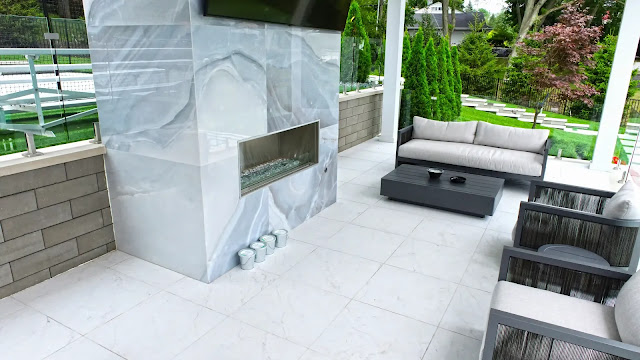
From wood-look planks to stone-inspired designs, porcelain tiles come in a wide variety of styles. Whether your home is modern, rustic, or traditional, you can find a tile that complements your outdoor décor.
Benefits of Porcelain Outdoor Tile Michigan Homeowners Love
Many homeowners prefer porcelain outdoor tile Michigan options because they offer both beauty and performance.
-
Low Maintenance: Unlike natural stone, porcelain doesn’t need regular sealing. Occasional cleaning with mild soap and water is enough.
-
UV Resistant: Colors won’t fade under the sun, keeping your outdoor space vibrant year after year.
-
Eco-Friendly: Many porcelain tiles are made from natural materials and recycled content.
-
Consistent Appearance: Unlike stone, porcelain tiles have uniform color and texture, making design planning easier.
Where to Use Outdoor Porcelain Tile
Outdoor porcelain tile can be used in a variety of applications around your home:
-
Patios and Decks: Create a stylish and durable outdoor living area.
-
Walkways and Pathways: Add elegance while ensuring safety and longevity.
-
Pool Decks: Slip-resistant finishes make porcelain a safe choice near water.
-
Outdoor Kitchens: Heat- and stain-resistant properties are ideal for cooking areas.
-
Balconies and Rooftop Terraces: Lightweight options work well for elevated spaces.


Choosing the Right Outdoor Porcelain Tile in Michigan
Selecting the right tile involves more than just picking a color. Here are key factors to consider:
1. Thickness
For outdoor use, choose tiles that are at least 20mm thick. Thicker tiles offer better strength and stability, especially in high-traffic areas.
2. Slip Rating
Look for tiles with a high slip-resistance rating (R11 or higher) for wet or snowy conditions.
3. Finish and Texture
Textured or matte finishes provide better traction and hide dirt better than glossy surfaces.
4. Color and Style
Light colors stay cooler in summer, while darker shades add warmth and contrast. Choose a design that complements your home’s exterior.
5. Installation Method
Tiles can be installed using traditional mortar, pedestal systems, or gravel beds. The right method depends on your project and site conditions.

Installation Tips for Michigan’s Climate
Proper installation is crucial to ensure your tiles last through Michigan’s seasonal changes.
-
Use a Solid Base: A well-compacted base prevents shifting and cracking.
-
Allow for Drainage: Proper slope and drainage help prevent water buildup and ice damage.
-
Choose Weather-Resistant Adhesives: Use adhesives and grouts designed for freeze-thaw conditions.
-
Hire a Professional: Experienced installers understand local climate challenges and building codes.
Maintenance and Care
One of the biggest advantages of outdoor porcelain tile in Michigan is its low maintenance requirements.
-
Regular Cleaning: Sweep away debris and rinse with water.
-
Deep Cleaning: Use a mild detergent and soft brush for stubborn stains.
-
Avoid Harsh Chemicals: Strong acids or bleach can damage grout.
-
Inspect Annually: Check for loose tiles or grout issues and address them promptly.
Cost Considerations
The cost of outdoor porcelain tile varies depending on style, thickness, and installation method. While porcelain tiles may have a higher upfront cost than concrete or basic pavers, their durability and low maintenance make them a cost-effective long-term investment.
Design Ideas for Michigan Homes
-
Wood-Look Porcelain: Achieve a warm, rustic feel without the maintenance of real wood.
-
Stone-Inspired Tiles: Create a natural, elegant look for patios and walkways.
-
Modern Minimalist Designs: Large-format tiles with clean lines for contemporary spaces.
-
Mixed Patterns: Combine different textures and colors for a unique outdoor aesthetic.
Why Homeowners Are Switching to Porcelain Outdoor Tile Michigan Options
More homeowners are choosing porcelain outdoor tile Michigan products because they offer the perfect blend of style, durability, and practicality. Withstanding extreme weather while maintaining a high-end appearance makes porcelain tiles a smart choice for outdoor renovations.
Frequently Asked Questions (FAQ)
1. Is outdoor porcelain tile suitable for Michigan winters?
Yes. Outdoor porcelain tiles are designed to withstand freezing temperatures and freeze-thaw cycles, making them ideal for Michigan’s climate.
2. How thick should outdoor porcelain tiles be?
For outdoor applications, 20mm thick tiles are recommended for better durability and load-bearing capacity.
3. Are porcelain outdoor tiles slippery when wet?
Many outdoor porcelain tiles come with textured, slip-resistant finishes that provide excellent traction in wet or snowy conditions.
4. Do outdoor porcelain tiles need sealing?
No. Porcelain tiles are non-porous and do not require sealing, unlike natural stone.
5. Can I install outdoor porcelain tiles myself?
While DIY installation is possible, hiring a professional is recommended to ensure proper drainage, adhesion, and long-term performance.
6. How long do outdoor porcelain tiles last?
With proper installation and maintenance, outdoor porcelain tiles can last 25 years or more.
7. Are porcelain tiles eco-friendly?
Yes. Many porcelain tiles are made from natural materials and recycled content, making them an environmentally responsible choice.
8. Can outdoor porcelain tiles be used around pools?
Absolutely. Their slip-resistant surfaces and water resistance make them ideal for pool decks and surrounding areas.
Final Thoughts
If you’re planning an outdoor renovation, outdoor porcelain tile in Michigan is a smart, stylish, and long-lasting solution. From patios and walkways to pool decks and outdoor kitchens, porcelain tiles offer unmatched durability, low maintenance, and timeless beauty. By choosing the right tile and ensuring proper installation, you can enjoy a stunning outdoor space that stands up to Michigan’s demanding climate for years to come.
Whether you’re drawn to the natural look of stone, the warmth of wood, or a sleek modern design, porcelain outdoor tile Michigan options provide endless possibilities to transform your outdoor living area into a functional and beautiful retreat.

Comments
Post a Comment